
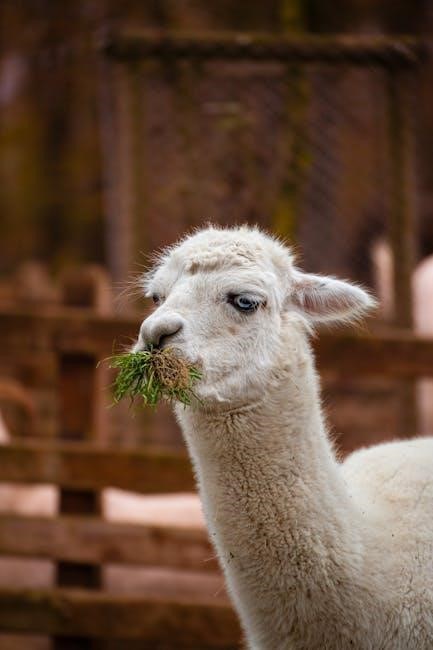
Understanding Alpaca Wool
Alpacas, native to South America, yield a luxurious fiber prized for warmth and softness, surpassing sheep’s wool and even cashmere in quality and desirability.
What is Alpaca Wool?
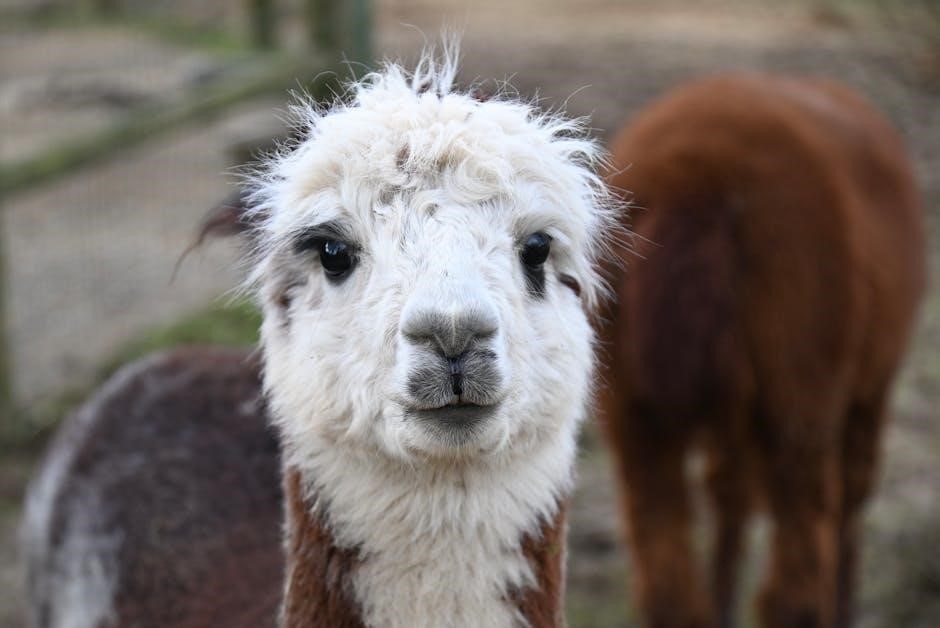
Alpaca wool isn’t like other fibers; it’s a natural fiber harvested from the alpaca, a South American camelid related to the llama. This remarkable fiber boasts incredible softness, often compared favorably to cashmere, yet possesses superior warmth exceeding that of sheep’s wool. Alpacas have been domesticated for millennia, primarily for their fleece, which is highly valued for crafting garments like sweaters, socks, and hats.
The unique structure of alpaca fiber contributes to its exceptional qualities. It’s naturally hypoallergenic, containing no lanolin, making it suitable for individuals with sensitive skin. Furthermore, alpaca wool is remarkably strong and durable, ensuring longevity in finished products. There are two primary types – Huacaya and Suri – each offering distinct textures and characteristics, impacting washing considerations.
Alpaca Origins and History
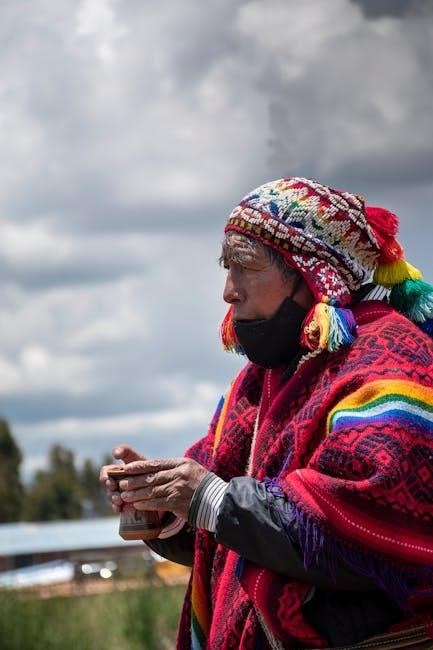
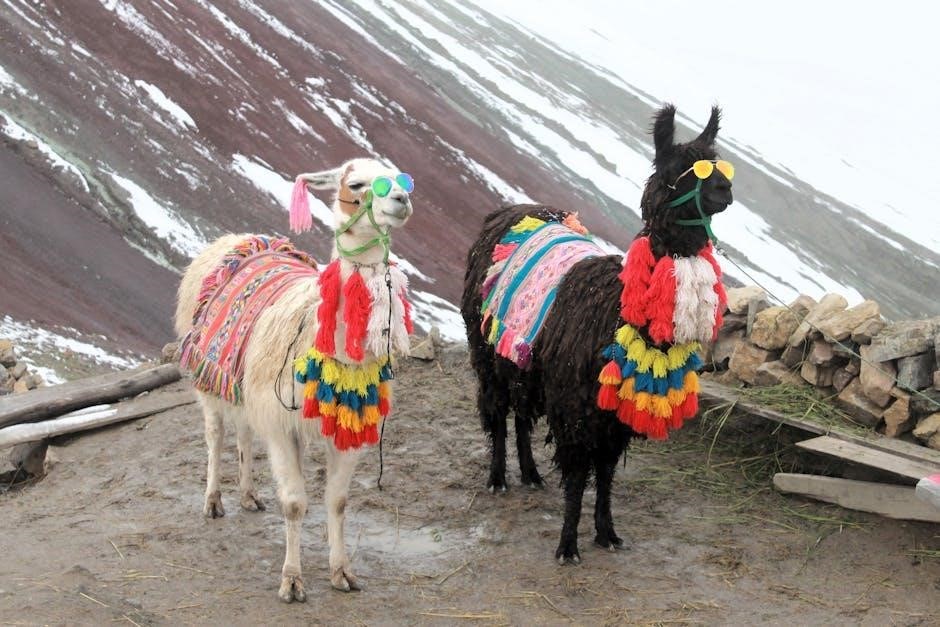
For centuries, alpacas have thrived in the harsh, high-altitude environments of the Andes Mountains in South America – Peru, Bolivia, Ecuador, and Chile. Historically, these gentle creatures were integral to the lives of indigenous peoples, providing not only luxurious fiber but also meat and transportation. Archaeological evidence suggests alpaca domestication dates back thousands of years, with the Incas highly valuing their fleece for royalty.
Traditional alpaca herding involved managing flocks grazing on the Andean plateaus. The fiber was painstakingly processed by hand, spun into yarn, and woven into textiles. This rich heritage informs modern alpaca farming and fiber production. The alpaca’s ability to adapt to challenging conditions underscores the resilience of both the animal and the traditions surrounding its care and fiber utilization.
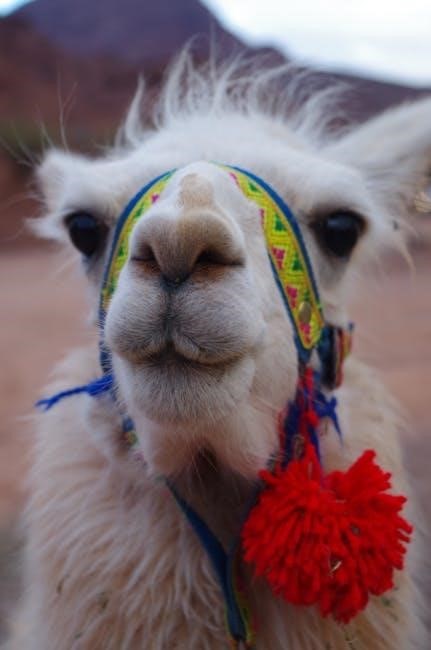
Preparing for Washing Alpaca
Before washing, carefully identify your alpaca garment’s construction and always diligently check the care label for specific manufacturer instructions and guidance;
Identifying Alpaca Garment Types
Understanding how your alpaca item is constructed is crucial before washing. Is it a delicate, finely knitted sweater, or a more robust woven blanket? Garments with intricate details, like cables or lace, require extra care. Some items may be blended with other fibers, such as silk or wool, which will influence the washing process.
Additionally, determine if the garment is fully alpaca or if it’s a blend. Blends often have different care requirements than 100% alpaca. Look closely at the fabric structure; loosely woven items are more prone to stretching and require gentler handling. Identifying these characteristics will help you choose the appropriate washing method and detergent, minimizing the risk of damage and preserving the garment’s quality for years to come.
Checking the Care Label
The care label is your first and most reliable source of information regarding washing instructions; These labels, legally required on most garments, provide specific guidance from the manufacturer. Look for symbols indicating whether the item is suitable for hand washing, machine washing, or dry cleaning only.
Pay close attention to the recommended water temperature and drying methods. A symbol of a crossed-out triangle indicates no bleaching should be used. Ignoring the care label can lead to irreversible damage, such as shrinkage or felting. If the label is unclear or missing, err on the side of caution and opt for the gentlest cleaning method – hand washing – to protect your valuable alpaca garment. Always prioritize the manufacturer’s recommendations.
Washing Methods
Alpaca wool garments benefit from either gentle hand washing or, increasingly, machine washing using specialized “TechnikAlpaca” processes for optimal fiber care.
Hand Washing Alpaca
For delicate alpaca items, hand washing is the preferred method to preserve the fiber’s integrity and softness. Begin by filling a clean basin with cool or lukewarm water – avoid hot water, as it can cause shrinkage. Add a mild detergent specifically formulated for wool or delicates; harsh chemicals can damage the alpaca fibers.
Gently submerge the garment and swirl it around, allowing the water to penetrate the fibers. Avoid vigorous rubbing or twisting, which can cause felting. Let the alpaca item soak for approximately 15-20 minutes. Rinse thoroughly with cool, clean water until all traces of detergent are removed. To remove excess water, gently press – do not wring – the garment. Lay it flat on a clean, dry towel and roll it up to absorb more moisture.
Machine Washing Alpaca (TechnikAlpaca)
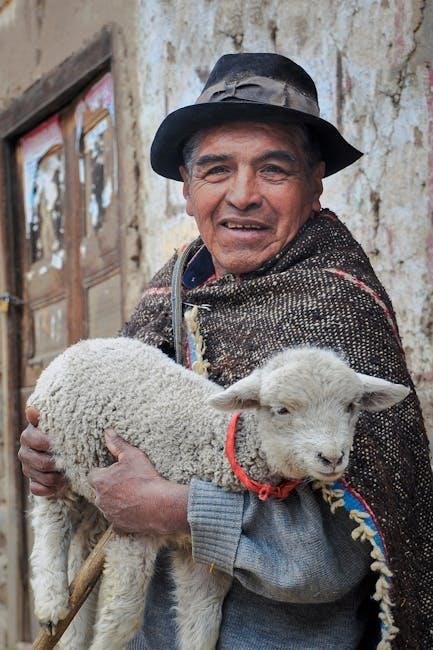
TechnikAlpaca represents a modern advancement, offering machine-washable alpaca wool. However, even with this innovation, careful washing is crucial. Use a mesh laundry bag to protect the garment from abrasion during the cycle. Select the delicate or wool cycle on your washing machine, ensuring the water temperature is cool.
Employ a mild detergent designed for wool or delicates, avoiding any with enzymes or bleach. Skip the spin cycle, or use the lowest spin setting available, to minimize stress on the fibers. Once the cycle is complete, gently remove the garment from the bag and lay it flat to dry. While TechnikAlpaca offers convenience, following these guidelines will maximize the lifespan and softness of your alpaca item.
Water Temperature Considerations
Maintaining the correct water temperature is paramount when washing alpaca wool to prevent irreversible damage. Hot water causes the delicate fibers to shrink and felt, drastically altering the garment’s shape and size. Always opt for cool or lukewarm water, ideally below 86°F (30°C), for both hand washing and machine washing.
Sudden temperature changes can also be detrimental, so avoid switching between hot and cold water during the washing process. Consistent cool temperatures help preserve the natural oils within the alpaca fibers, maintaining their softness and luster. Even TechnikAlpaca, while more resilient, benefits from cooler water to prolong its lifespan and prevent any potential fiber distortion.
Detergent Choices
Selecting a mild detergent specifically formulated for delicate fibers is crucial for preserving alpaca’s natural softness and preventing damage during the washing process.
Best Detergents for Alpaca Wool
When caring for alpaca wool, choosing the right detergent is paramount to maintaining its luxurious qualities. Opt for pH-neutral detergents specifically designed for delicate fibers like wool, cashmere, or silk. These formulations lack harsh enzymes and sulfates that can strip the natural oils from alpaca fibers, leading to dryness and damage.
Several brands consistently receive high praise from alpaca owners and fiber artists. Look for detergents labeled “superwash” or “wool-specific,” as these are formulated to be gentle yet effective. Baby shampoos, when thoroughly rinsed, can also serve as a mild alternative. Avoid detergents containing brighteners, as these can dull the natural sheen of alpaca.
Always read the detergent label carefully and perform a patch test on an inconspicuous area of the garment before washing the entire item. This ensures compatibility and prevents unexpected reactions. Remember, a little detergent goes a long way – using too much can leave residue and compromise the fiber’s softness.
Detergents to Avoid
Protecting your alpaca wool garments requires knowing which detergents to steer clear of. Harsh chemicals commonly found in standard laundry detergents can irrevocably damage the delicate fibers. Avoid any detergent containing enzymes, as these break down protein fibers – a key component of alpaca wool – causing weakening and potential felting.
Similarly, steer clear of detergents with sulfates, bleach, or optical brighteners. Sulfates strip the natural lanolin oils, leaving the fiber dry and brittle. Bleach will discolor and weaken the alpaca, while brighteners can dull its natural luster. Heavily fragranced detergents should also be avoided, as the perfumes can irritate sensitive skin and potentially leave a residue.
Generally, avoid detergents marketed for “stain removal” or “heavy-duty cleaning,” as these typically contain aggressive ingredients. Prioritize gentle, pH-neutral formulas specifically designed for delicate fabrics to preserve the softness and longevity of your alpaca wool items.
Drying Alpaca
Gentle drying is crucial; avoid direct sunlight and heat, as these can cause shrinkage or damage the delicate alpaca fibers, maintaining softness.
Air Drying Techniques
After gently squeezing out excess water – never wring or twist alpaca – the garment requires careful air drying. Lay the item flat on a clean, dry towel or a mesh drying rack, reshaping it to its original form. This prevents stretching and distortion. Avoid hanging, as the weight of the wet fiber can easily pull it out of shape.
Ensure good air circulation in the drying area, but keep it away from direct sunlight, radiators, or any other heat source. These can damage the delicate fibers and cause irreversible shrinkage. Regularly turn the garment over to promote even drying. Depending on the thickness of the alpaca item, drying can take anywhere from several hours to a couple of days. Patience is key to preserving the quality and integrity of your alpaca wool.
Avoiding Direct Sunlight and Heat
Exposure to direct sunlight and heat are detrimental to alpaca fibers, causing fading, weakening, and potential shrinkage. The delicate protein structure of alpaca wool is susceptible to UV damage, leading to color loss and brittleness over time. Similarly, high temperatures can disrupt the fiber’s natural oils, resulting in a coarse and less supple texture.
When air drying, always choose a shaded area with good ventilation. Never place alpaca garments directly on radiators, near fireplaces, or in a tumble dryer. Even indirect heat can be harmful. Opt for a cool, dark space to allow the fiber to dry slowly and evenly. Protecting your alpaca items from these elements will significantly extend their lifespan and maintain their luxurious softness and appearance.
Post-Washing Care
Gentle handling post-wash is crucial; blocking and reshaping restores form, while proper storage—folded flat—prevents stretching and maintains alpaca’s inherent softness.
Blocking and Reshaping
After washing, alpaca garments often benefit from blocking and reshaping to restore their original dimensions and drape. This process involves gently stretching the wet or damp item to its intended size and shape, then allowing it to dry in that position. Lay the alpaca piece flat on a clean, dry towel or blocking board.
Carefully ease the fabric back into shape, paying attention to sleeves, collars, and any other areas that may have become distorted during washing. Avoid pulling or stretching the fibers excessively, as this can cause damage. Pin the garment in place if necessary, using rust-proof pins. Allow the alpaca to air dry completely, away from direct heat or sunlight. Blocking helps to relax the fibers and create a more polished, professional finish.
Storing Alpaca Garments
Proper storage is crucial for maintaining the quality and longevity of your alpaca wool garments. To prevent damage from moths and other pests, store clean alpaca items in airtight containers or garment bags. Cedar chips or lavender sachets can provide natural insect repellent without harming the delicate fibers.
Avoid hanging knit alpaca pieces, as this can cause stretching and distortion over time. Instead, fold them neatly and store them flat. For woven items, padded hangers are a suitable option. Ensure the storage area is cool, dry, and well-ventilated. Avoid storing alpaca near direct sunlight or heat sources, as these can fade the color and weaken the fibers. Regular airing out of stored garments will help keep them fresh.
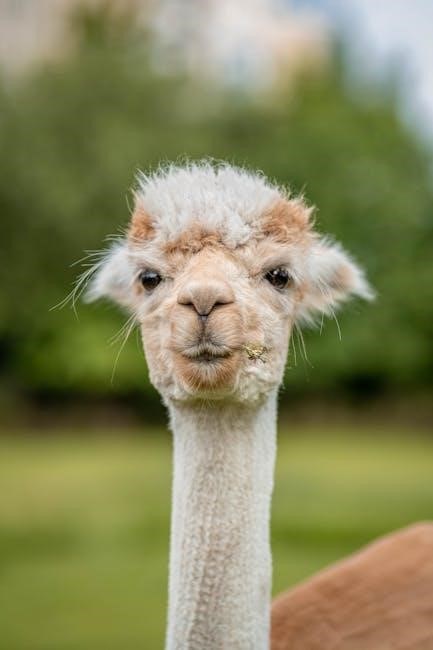
Addressing Common Issues
Pilling and shrinkage are potential concerns with alpaca; gentle washing, avoiding heat, and proper drying techniques will minimize these issues effectively.
Dealing with Pilling
Pilling, the formation of small balls on the fabric surface, is a common occurrence with alpaca, especially with initial wear and washing. This isn’t a defect, but a natural characteristic of the fiber as shorter fibers work their way to the surface.
To address pilling, avoid vigorous rubbing during washing, and consider using a gentle detergent specifically designed for delicate fibers. Once pilling occurs, resist the urge to pull at the pills, as this can damage the yarn. Instead, employ a sweater comb, pill shaver, or even carefully use tape to lift them off;
Regular, gentle care and avoiding harsh agitation will significantly reduce pilling over time, preserving the beautiful appearance and softness of your alpaca garments. Prevention is key, but effective removal methods exist when needed.
Preventing Shrinkage
Alpaca fiber, while incredibly soft and warm, is susceptible to shrinkage if not washed correctly. The key to prevention lies in controlling water temperature and agitation. Always opt for cool or lukewarm water – hot water causes the fibers to tighten and felt together, resulting in a smaller garment.
Gentle handling is crucial. Avoid vigorous scrubbing, twisting, or wringing. Instead, gently squeeze out excess water. Laying the garment flat to dry is paramount; avoid tumble drying at all costs, as the heat will undoubtedly cause shrinkage.
Following these guidelines will help maintain the original size and shape of your alpaca items, ensuring they remain a cherished part of your wardrobe for years to come. Careful washing is a small price to pay for lasting luxury.
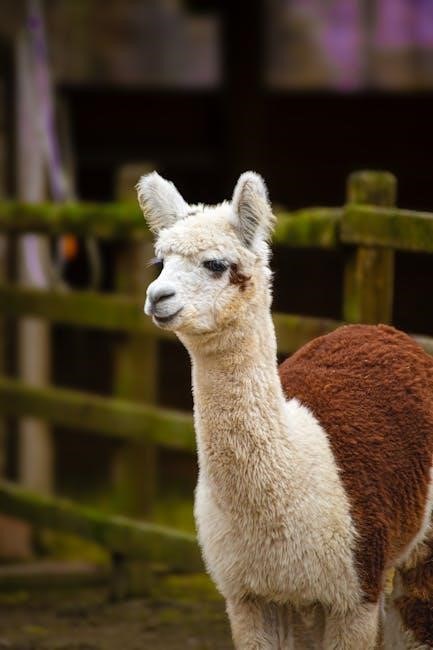
Alpaca Fiber Types & Wash Differences
Huacaya alpaca, with its dense, crimped fleece, requires gentle washing, while Suri alpaca’s silky, draping fiber benefits from extra care and caution.
Huacaya vs. Suri Alpaca Wool
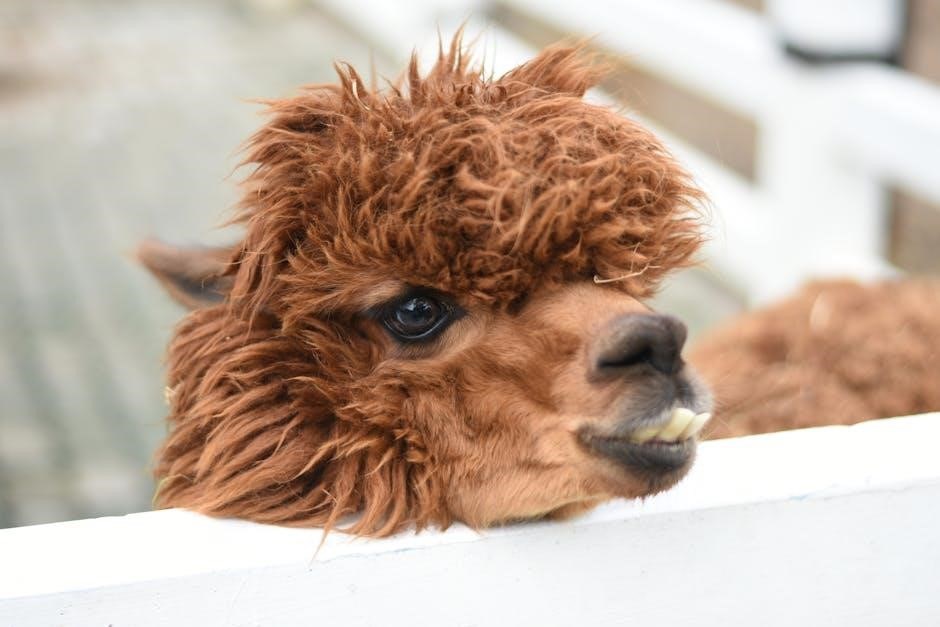
Huacaya fiber, the more common type, boasts a crimped, fluffy texture resembling sheep’s wool, requiring a delicate hand-washing approach with cool water and a pH-neutral detergent. Avoid agitation to prevent felting, gently squeezing rather than rubbing the fibers. Suri alpaca, conversely, possesses a long, silky, and lustrous drape, demanding even greater care during washing.
Suri’s structure makes it more prone to stretching when wet, so minimal handling is crucial. Hand washing is strongly recommended, using lukewarm water and a specialized wool or alpaca detergent. Lay flat to dry, supporting the fabric to maintain its shape. Both types benefit from avoiding harsh chemicals, bleach, and hot water, which can damage the delicate fibers and diminish their natural softness and warmth.