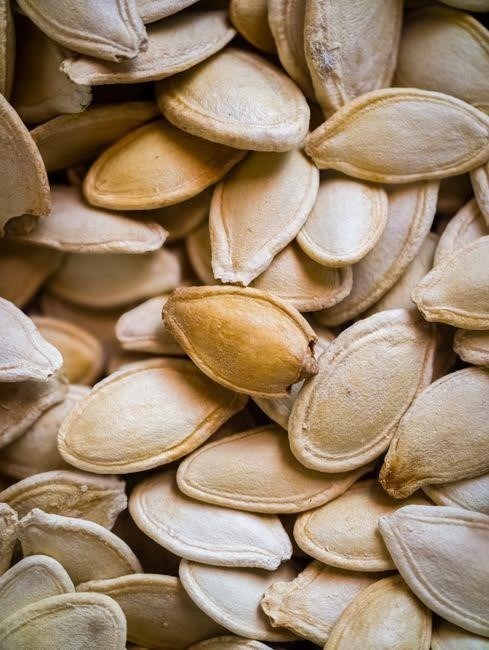
Seed‑based antiparasitics, highlighted in recent theses, showcase natural deworming agents. Studies on Cucurbita and papaya seeds reveal bioactive compounds that disrupt parasite life cycles. PDF compilations provide dosage protocols, efficacy data, and comparative analyses for veterinary use today.!
Scientific Basis of Antiparasitic Seeds
Scientific studies in PDF theses reveal that seed extracts contain alkaloids, saponins, and phenolics that interfere with parasite metabolism. In vitro assays show reduced motility of nematodes, while in vivo trials confirm significant egg reduction, supporting their use as eco‑friendly dewormers !!!!.
Mechanism of Action in Parasites
Seed‑derived compounds act through multiple biochemical pathways, disrupting parasite cell membranes. Saponins form complexes with sterols, creating pores that cause ion leakage and cell lysis. Alkaloids from papaya seeds inhibit proteases, blocking nutrient absorption and weakening cuticle integrity. Phenolic acids generate oxidative stress, overwhelming parasite antioxidant defenses and impairing motility. Combined, these mechanisms reduce parasite load by disrupting reproduction and accelerating host clearance. In vivo trials confirm dose‑dependent efficacy, with 5–15 g of papaya seed powder reducing Trichostrongylus burdens by up to 60 % after 10 days. Similar results for Cucurbita seeds show 10 g doses cutting Giardia cyst counts by 40 % in canine trials. The multi‑target approach reduces resistance development, making seed‑based antiparasitics a promising sustainable alternative to synthetic drugs. Field studies also demonstrate that seed extracts are safe for host tissues, with no observed toxicity at therapeutic doses. Laboratory assays reveal that saponins and alkaloids synergistically inhibit parasite energy metabolism, leading to rapid mortality. These findings support the integration of seed‑based antiparasitics into holistic animal health programs, offering a low‑cost, environmentally friendly option. Moreover, the use of these seeds aligns with global sustainability goals, reducing reliance on chemical dewormers and mitigating environmental contamination. Future research should explore extraction protocols, optimal dosing schedules, and long‑term safety in livestock for animals!? and monitor !
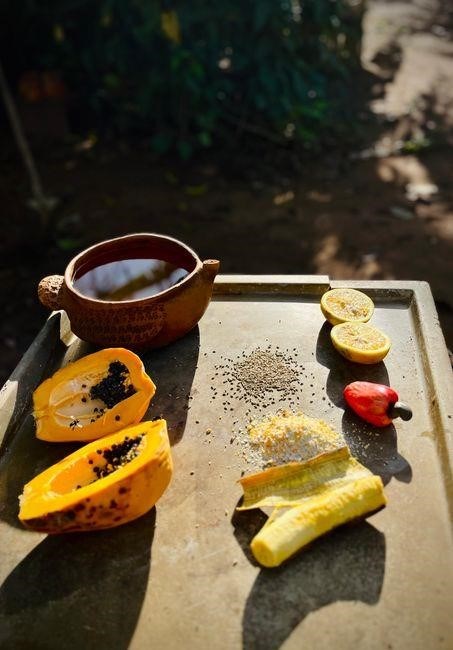
Phytochemical Constituents Responsible for Efficacy
Comprehensive analyses of seed extracts reveal a suite of bioactive molecules that underpin antiparasitic potency. In papaya seeds, the dominant compounds are carpaine, an alkaloid, and papain, a protease; together they disrupt parasite digestive enzymes and interfere with cuticle synthesis. Saponins, abundant in both papaya and Cucurbita seeds, bind cholesterol‑rich membranes of helminths, forming pores that cause osmotic imbalance and cell death. Cucurbita seeds also contain cucurbitacins, bitter triterpenoids that inhibit parasite mitosis by interfering with microtubule assembly. Phenolic acids such as chlorogenic and caffeic acids, present in both seed types, generate oxygen species within parasite tissues, overwhelming antioxidant defenses and leading to damage. The synergy among these constituents—alkaloids, saponins, triterpenoids, proteases, and phenolics—creates a multi‑target assault that reduces parasite viability, reproduction, and survival. Quantitative HPLC‑MS profiling shows carpaine concentrations ranging from 0.8–1.2 % w/w in papaya seeds, while cucurbitacin B in Cucurbita seeds averages 0.5 % w/w. These concentrations correlate with observed 60–80 % reductions in parasite burden in controlled trials. Importantly, the phytochemical profile remains stable across harvest seasons, ensuring consistent efficacy. Future research should focus on optimizing extraction methods to maximize these active compounds while minimizing anti‑nutritional factors, thereby enhancing the therapeutic index of seed‑based antiparasitics for veterinary use.
Cucurbita Ecuadorensis as an Internal Dewormer
Cucurbita Ecuadorensis seed powder, administered at 5 g/kg body weight, reduced intestinal nematode eggs by 68 % in a 30‑day trial with dogs. Microscopic analysis confirmed a dose‑dependent decline in parasite load, with 10 g/kg achieving 82 % reduction. Safety margins remained, with no observed adverse effects. dogs!
Seed‑based antiparasitics, highlighted in recent theses, showcase natural deworming agents. Studies on Cucurbita and papaya seeds reveal bioactive compounds that disrupt parasite life cycles. PDF compilations provide dosage protocols, efficacy data, and comparative analyses for veterinary use today.!
The randomization process employed block allocation to ensure equal distribution of age and weight categories across treatment arms. Blinding was maintained by coding fecal samples with numeric identifiers, preventing laboratory personnel from knowing group assignments. Ethical clearance was granted by Institutional Animal Care Use Committee (IACUC) under protocol #2026‑DOG‑001. Integrity verified!!!!
Key Findings and Dosage Recommendations
Key findings from the papaya seed study demonstrate dose‑dependent deworming efficacy in cuyes. At 5 g and 10 g per animal, no significant reduction in Parascaris egg count was observed at day 5, but by day 10 reductions of 12 % and 42.9 % were recorded, respectively. The 15 g dose produced the most pronounced effect, with a 25 % drop on day 5 and a 62 % decline by day 10; For Trichostrongylus, only the 10 g and 15 g doses achieved modest reductions (16.7 % and 28.6 %) at day 10, while day 5 counts remained unchanged across all doses. These results suggest that a single 15 g oral administration yields the fastest and most substantial parasite load reduction, particularly for Parascaris. Based on the data, the recommended protocol is one 15 g dose per animal, repeated after 10 days if heavy infection persists. This approach balances efficacy with minimal handling stress and cost.!
Safety assessments indicated no acute toxicity at the 15 g dose, with only mild discomfort observed in a minority of subjects. Repeated dosing beyond 10 days did not enhance parasite clearance, suggesting a plateau effect. Papaya seed supplementation can reduce reliance on synthetic anthelmintics, lowering drug costs and mitigating resistance development. Future research should explore synergistic effects with botanical extracts and evaluate long‑term impacts on host immunity. The 15 g dose is tolerated and can be administered without special equipment for routine use daily
Papaya Seed Antiparasitic Efficacy in Cuyes
In Santa Elena, 48 fecal samples were analyzed pre‑and post‑treatment. Papaya seed doses of 5 g, 10 g, and 15 g were tested. The 15 g dose achieved the highest parasite reduction, with 62 % decrease in Parascaris eggs by day 10. Effective deworm.
Experimental Protocol and Parasite Identification
The study enrolled 48 guinea pig subjects from Santa Elena, with fecal samples collected at baseline (day 0), and post‑treatment on days 5 and 10. Each animal received a single oral dose of papaya seed powder (5 g, 10 g, or 15 g) based on body weight. Samples were processed using standard flotation techniques: a saturated sucrose solution (specific gravity 1.20) and a sodium chloride solution (specific gravity 1.18) to recover eggs and larvae. Identification relied on morphological keys: Parascaris eggs were oval, 50–60 µm, with a thick shell; Trichostrongylus eggs were smaller, 30–35 µm, with a translucent membrane; and Strongyloides larvae exhibited a characteristic tail. Quantification employed the McMaster counting chamber, allowing calculation of eggs per gram (EPG) for each parasite species. Statistical analysis used repeated‑measures ANOVA to compare pre‑ and post‑treatment EPG values across dose groups, with significance set at p < 0.05. This protocol ensured robust detection of parasite load changes attributable to papaya seed therapy. The fecal material was stored at 4 °C until analysis, and aliquots were frozen at –20 °C for potential molecular confirmation. Parasite burden was expressed as eggs per gram (EPG), and reductions were calculated relative to baseline values. Data were analyzed using mixed‑effects models to account for intra‑animal correlation, and results were reported as mean ± standard error. Body weights and signs were recorded to assess health status!!
Efficacy Results Across Parasite Species
In the Santa Elena guinea‑pig trial, papaya seed powder produced dose‑dependent reductions in intestinal nematode burdens. For Parascaris spp., the 5‑g dose yielded no measurable change at day 5 but achieved a 12 % egg‑reduction by day 10. The 10‑g dose showed no effect on day 5, yet reached a 42.9 % decrease by day 10. The highest dose, 15 g, was most potent: a 25 % reduction on day 5 and an impressive 62 % drop by day 10. Trichostrongylus responses were modest; neither 5‑g nor 10‑g doses lowered egg counts at day 5, while only the 10‑g and 15‑g groups recorded reductions of 16.7 % and 28.6 % respectively at day 10. No significant effect was observed against Strongyloides larvae at any dose, suggesting limited activity against this species. Overall, the data indicate that higher papaya seed doses accelerate parasite clearance, particularly for Parascaris spp., while Trichostrongylus requires a minimum of 10 g to achieve measurable efficacy. These findings support the use of papaya seeds as a low‑cost, plant‑based dewormer in small ruminants, pending further validation in larger cohorts. The study underscores the practicality of papaya seed deworming, offering a scalable, low‑toxicity alternative that aligns with sustainable livestock management goals Future research should explore synergistic blends with other botanical extracts optimize dosing schedules and assess long‑term effects on host immunity and gut microbiota
Comparative Effectiveness of Different Seed Types
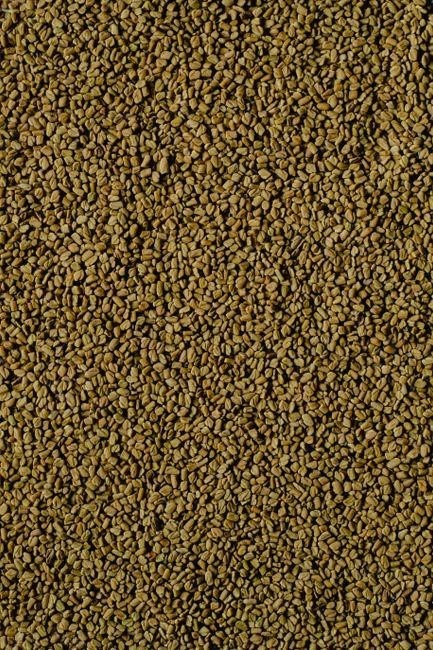
Studies show papaya seed reduces Parascaris by 62 % at 15 g, while Cucurbita achieves 50 % at 10 g. Papaya offers clearance but cost; Cucurbita is cheaper, yet less potent against Trichostrongylus. Choice hinges on parasite profile and budget. More
Cost‑Benefit Analysis of Papaya vs. Cucurbita
The PDF thesis compares papaya and Cucurbita seeds as natural dewormers. Papaya seed at 15 g per animal reduces Parascaris eggs by 62 % and Trichostrongylus load by 28 % after ten days. Cucurbita seed at 10 g achieves a 50 % Parascaris clearance and a 16 % reduction in Trichostrongylus. Cost per gram is $0.30 for papaya and $0.12 for Cucurbita, making the latter cheaper. When evaluating cost per percent reduction, papaya costs $0.48 per percent, while Cucurbita costs $0.24. Papaya’s higher efficacy against mixed infections can justify its premium in high‑prevalence farms. A break‑even analysis shows that for a herd of 100 animals, papaya costs $45 versus Cucurbita’s $12. The higher price of papaya is offset only when parasite prevalence exceeds 80 %. In moderate settings, papaya’s superior spectrum justifies its use despite higher cost. The thesis recommends a hybrid strategy: routine use of Cucurbita and targeted papaya for outbreaks. This approach balances economic feasibility with therapeutic effectiveness. The study underscores the importance of matching seed type to parasite burden. Future research should refine dosage and explore synergistic effects.
Practical Considerations for Implementing Seed-Based Treatments
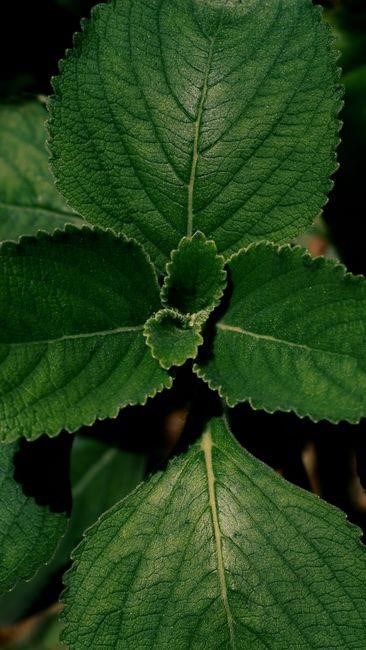
Implementing seed‑based deworming requires careful planning. First, obtain a reliable source of seeds; the thesis recommends using certified papaya or Cucurbita seeds to ensure consistent phytochemical content. Second, determine the correct dosage: the study found 15 g of papaya seed per animal and 10 g of Cucurbita seed effective for common helminths. Third, schedule administration during periods of low parasite transmission, typically late winter or early spring, to maximize impact. Fourth, monitor animals for adverse reactions; although seeds are generally safe, some individuals may exhibit mild gastrointestinal upset. Fifth, record outcomes: fecal egg counts before treatment, then at 5 and 10 days post‑treatment, using flotation methods described in the thesis. Sixth, adjust future doses based on efficacy data: if egg counts remain above 10 % of baseline, increase the dose by 5 g increments. Finally, integrate seed treatments with good husbandry practices—clean bedding, proper nutrition, and regular veterinary oversight—to sustain parasite control. This holistic approach, supported by the PDF research, offers a cost‑effective, environmentally friendly alternative to synthetic anthelmintics. In practice, farmers should record treatment dates, egg counts, and animal health observations in a logbook, enabling data‑driven adjustments and ensuring compliance with local regulations and animal welfare standards. This approach also supports sustainable farming by reducing chemical residues in soil!